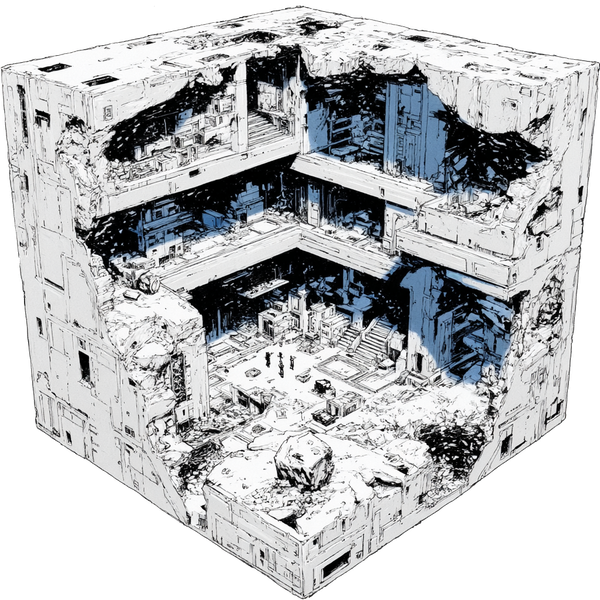
AI Agents and the Rise of the Software Factory
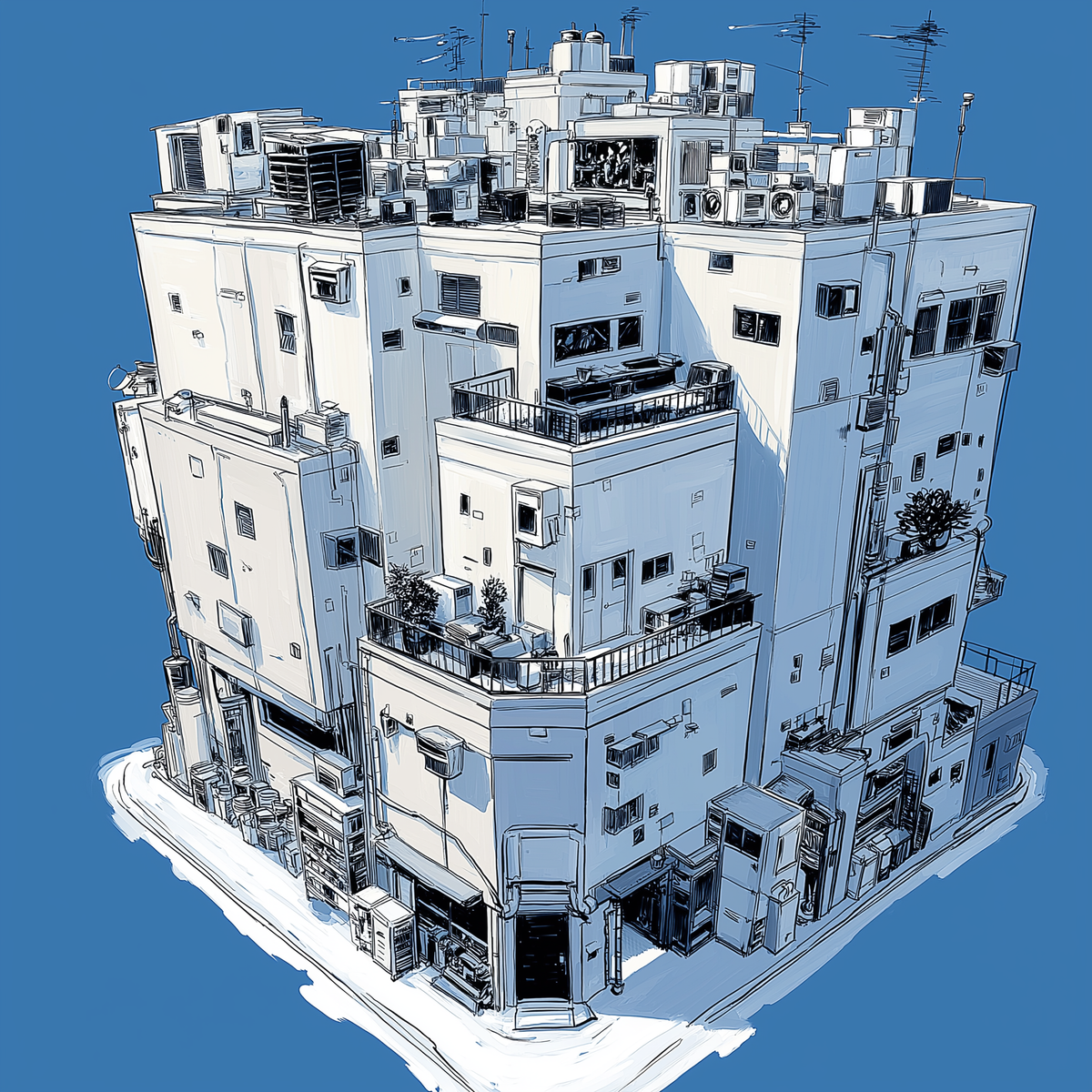
Something fundamental is changing in how software gets built.
For decades, the loop looked basically the same: humans write requirements, humans write code, humans test it, humans deploy it. AI has been nibbling at each step for years, with autocomplete here and a generated test there.
But what’s showing up now feels different. In 2026, we are watching the rise of AI agents that do not just assist developers; they act like teammates. They plan, execute, and keep moving across the software lifecycle. The work is shifting from “help me write this” to “go do this, then show me what you did.”
Welcome to the era of the software factory.
From Copilots to Coworkers
The first wave of AI coding tools ran on a simple loop: you prompt, it generates. Think of it like a very fast intern sitting next to you, waiting for instructions. Useful, yes. Still passive.
Agentic systems operate differently. The model is closer to “goal in, outcome out.” You give an objective like “add a subscription tier to our SaaS,” and the agent breaks it into steps, makes changes, runs tests, and packages the work for review. The human role shifts from writing every line to setting direction, reviewing outcomes, and deciding what ships.
This is already happening in the wild. Tools are starting to open pull requests, tackle refactors, and handle chunks of migration work. Frameworks like LangGraph, CrewAI, and AutoGen are making it easier to wire up multi-step workflows and split responsibilities across agents.
What Exactly Is a Software Factory?
A software factory is a system in which multiple specialized AI agents collaborate throughout the development lifecycle, from requirements to deployment to monitoring. A coordinator keeps the work moving, and humans step in at the decision points that matter.
The manufacturing analogy holds up surprisingly well. Modern factories do not rely on one machine that does everything. They use specialized stations connected by a line. In a software factory, you might have:
· A research agent that gathers context and constraints
· An architect agent that proposes an approach and tradeoffs
· A coding agent that implements
· A testing agent that validates and tightens coverage
· A deployment agent that packages and ships
· An orchestrator that coordinates the handoffs and tracks the state
What’s emerging looks like a microservices moment for AI tooling. Instead of one all-purpose assistant, teams are assembling a small fleet of agents that each do a job well, with clean interfaces between them.
The Infrastructure Making It Possible
A few trends are converging at once.
Protocols are becoming the glue. Anthropic’s Model Context Protocol (MCP) and Google’s Agent-to-Agent Protocol (A2A) are early signs of standardization. MCP is pushing toward a consistent way for agents to use tools, APIs, and data sources. A2A points to a world in which agents from different vendors can coordinate their work. The practical impact is simple: less custom wiring, more plug-and-play.
Hybrid architectures are getting real. The strongest setups combine LLMs with structured systems such as knowledge bases, rule engines, and domain-specific tools. It is not one or the other. It is orchestration, picking the right tool at the right time, then making the whole workflow observable.
Models are better at the boring things that matter. Knowledge bases, rule engines, and domain-specific software.
The Honest Reality Check
The software factory is compelling, and it is still early.
Most orgs are not running agents at scale yet. Many teams are stuck in experiments or are only using agents in narrow lanes. Agent-generated code can need real rework. Costs can surprise you when a workflow spins longer than expected. And giving an agent access to your repo or production systems is a security decision, not a productivity tweak.
The highest-ROI work today is often unglamorous: document processing, data cleanup, compliance checks, repetitive scaffolding, boilerplate services, and safe refactorings. Start there. Earn trust. Build the muscle. Then expand.
What This Means for Teams Building Software
The developer role is not disappearing. It is changing.
More time will go into directing agents, reviewing their output, and understanding systems deeply enough to catch subtle mistakes. The skill is less “type faster” and more “see the whole system,” then set constraints within which an agent can operate.
For organizations, the path forward is straightforward, even if the details are hard:
· Put governance in place before you scale agent access
· Define clear boundaries for what agents can do unattended
· Build visibility so you can answer “what happened” without guesswork
· Measure outcomes so this turns into ROI, not just activity
The software factory is not a distant future. It is being assembled right now, one workflow at a time. The teams that build it with visibility and guardrails will ship faster, with fewer surprises, and with more confidence. That is the real unlock.
Curious what we're building? Sign up for a trial at https://dashboard.turen.io/.